
Federal clean energy tax credits: Expirations, deadlines, and planning considerations
Federal clean energy incentives have played a large role in helping homeowners, builders, and businesses invest in energy efficiency and renewable energy. As we move through 2026, several widely used tax credits have already expired or are set to expire in the coming months. Understanding which incentives are still available is important for planning energy projects and maximizing tax benefits.
Clean energy tax incentive changes in 2026
The Energy Efficient Home Improvement Credit (Section 25C) expired after December 31, 2025. The Section 25C credit helped homeowners who made energy efficient upgrades to their primary residences. The Energy efficient Home Improvement Credit applied to upgrades such as insulation, air sealing, windows, doors, and HVAC systems among others. As of January 1, 2026, this credit is no longer available. Only qualifying improvements installed and placed in service by December 31, 2025, are eligible.
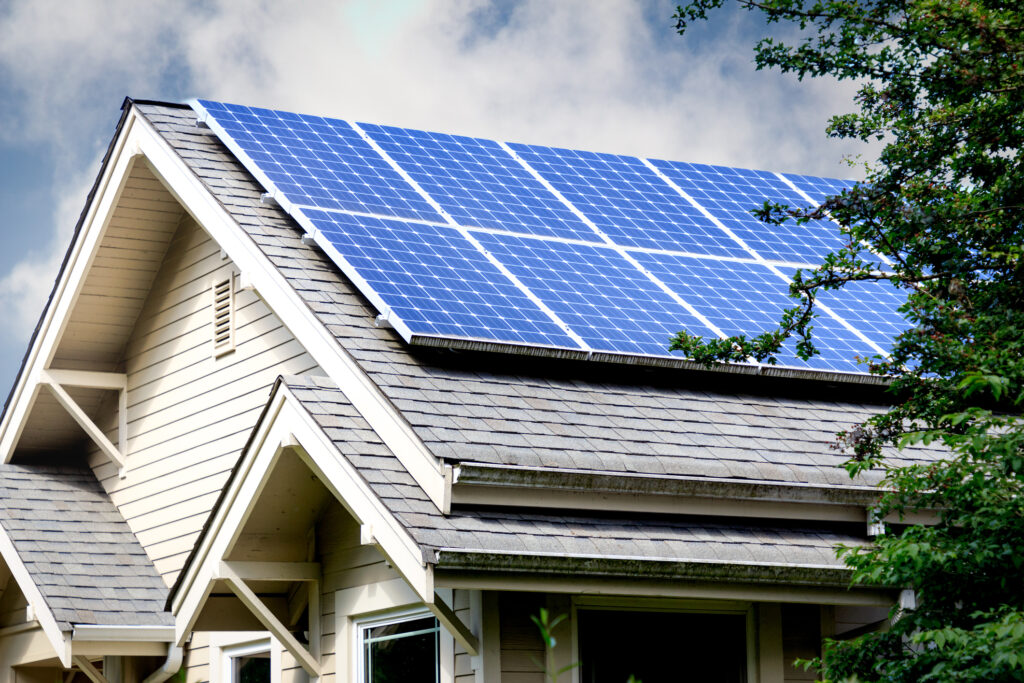
The Residential Clean Energy Credit (Section 25D) expired after December 31, 2025. The Section 25D credit provided tax benefits for common energy efficient system installs such as solar panels, and battery storage. Systems installed in 2026 or later are no longer eligible for this credit. Only projects completed and operational by the end of 2025 qualify.
The New Energy Efficient Home Credit (Section 45L) is set to expire after June 30, 2026. The Section 45L credit provides benefit to builders constructing new energy efficient homes. With the expiration date set for June 30, 2026, builders must ensure that qualifying homes are completed and sold before the June 30 deadline to claim the credit.
The Energy Efficient Commercial Buildings Deduction (Section 179D) is set to expire after June 30, 2026. Section 179D continues to provide incentives for owners and/or designers of energy efficient commercial buildings and certain residential rental buildings. Section 179D allows for deductions based on energy efficiency improvements and their related energy savings achieved. This deduction expires for property for which the construction begins after June 30, 2026.
The expiration of Sections 25C, and 25D is the end of major federal incentives for residential energy upgrades. Sections 45L and 179D are in their final months making 2026 an important year for energy efficiency incentives. Delays could mean losing access to incentives that can significantly impact taxpayers.
With multiple clean energy incentives expiring or nearing expiration, careful planning is essential to avoid missed opportunities. For guidance on how these federal incentive changes may affect your residential or commercial real estate projects, contact your Keiter Opportunity Advisor to discuss next steps and planning considerations. Call 804.747.0000 | Email
About the Author

Hector Luna joined Keiter as an Intern while attending Virginia Commonwealth University. He became a full-time Tax Associate in 2023. He is a member of the Real Estate & Construction Industry team.
The information contained within this article is provided for informational purposes only and is current as of the date published. Online readers are advised not to act upon this information without seeking the service of a professional accountant, as this article is not a substitute for obtaining accounting, tax, or financial advice from a professional accountant.