
By Denise M. Holmes, CPA, Partner
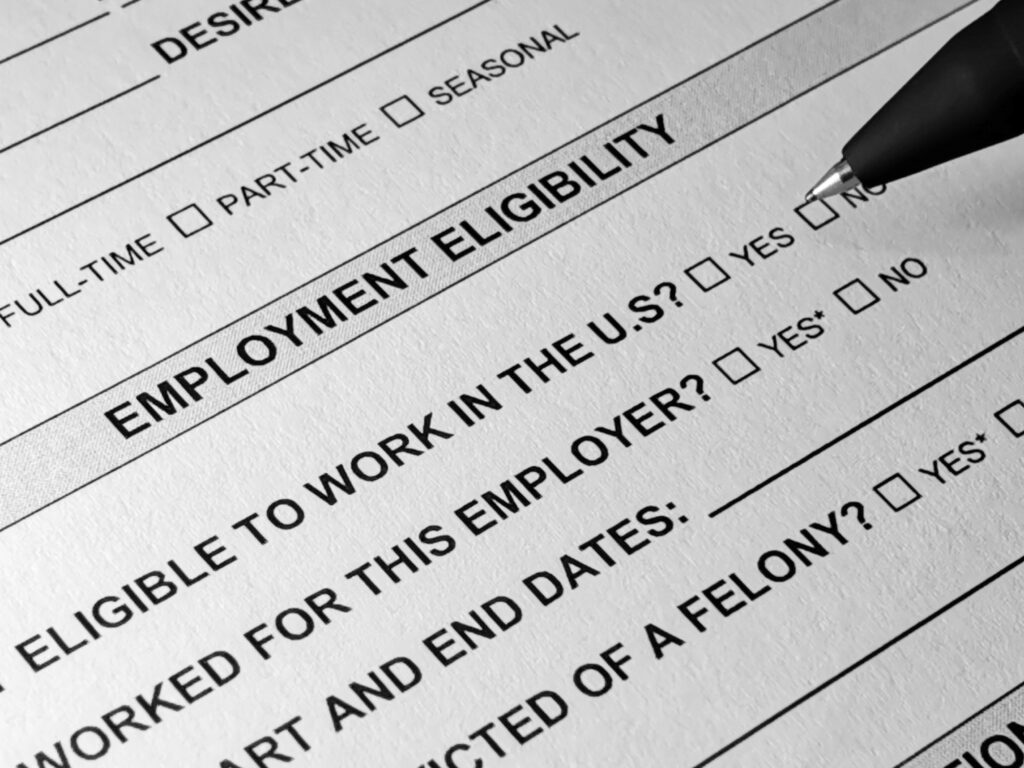
Updated enforcement guidance increases risk of immediate penalties for common Form I-9 errors, limiting opportunities for correction
U.S. Immigrations and Customs Enforcement (ICE) updated the Form I-9 guidance on March 16, 2026, reclassifying many common and correctable paperwork errors as immediately fineable and substantive violations. This change increases the likelihood of immediate penalties and removes the ability to correct certain errors during an audit.
What changed in ICE’s guidance
The update affects errors in Section 1 “employee attestations”, Section 2 “document certifications, preparer and translator certifications”, and Supplement B “reverification and rehire entries”.
Previously, issues in these sections were often considered technical and could be corrected within ten business days following a Homeland Security Investigations (HSI) audit. ICE now requires employers to produce Form I-9 documentation within three business days of receiving a Notice of Inspection (NOI). Civil penalties for violations will continue to be adjusted annually for inflation.
This distinction is significant. Substantive violations are now treated as more serious compliance failures, meaning employers may face fines for errors that were previously fixable.
While this presents a clear compliance risk for construction companies, the impact extends across industries. Employers in hospitality, temporary labor, manufacturing, retail, and other labor-intensive industries sectors should be particularly aware, especially those with high employee turnover or a decentralized hiring process.
What You Need to Do Right Now
The action items here are straightforward, but they need to happen before an NOI arrives – not after.
- Pull your last audit report.
- Conduct a new audit if it’s been more than a year.
- Stop relying on document copies to cure incomplete forms.
- Audit your electronic I-9 system.
- Verify your remote verification compliance.
If you have questions or would like additional compliance guidance, contact your employment law advisor.
About the Author

Denise M. Holmes, CPA, Partner
Denise serves a wide variety of industries with a major concentration in healthcare and medical practices. She shares her industry knowledge and tax expertise with physicians to assist them in reaching their personal and business financial goals. Some of her specialty areas with Keiter include consulting, compliance and tax research for individuals, partnerships, and S Corporations. She is the leader of Keiter’s Construction niche team.
More Insights from Denise M. HolmesThe information contained within this article is provided for informational purposes only and is current as of the date published. Online readers are advised not to act upon this information without seeking the service of a professional accountant, as this article is not a substitute for obtaining accounting, tax, or financial advice from a professional accountant.